
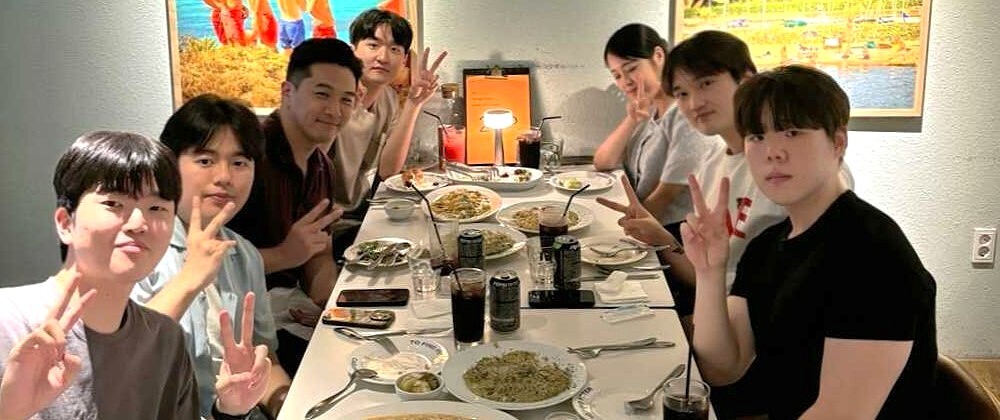
Behavioral Data Science
We analyze large-scale behavioral data from digital platforms to decode human intent and enhance user engagement. By modeling how users interact within media streaming services and social communities, we design data-driven solutions that foster genuine connections and maximize satisfaction in evolving digital ecosystems.
AI & Adaptive User Experiences
We develop context-aware systems that perceive and respond to human states. By integrating multimodal sensing and AI-driven perception, we create adaptive environments that dynamically optimize content and interaction to ensure user well-being, comfort, and safety across diverse digital media.
Intelligent AI Agents
We transform passive tools into proactive partners by integrating LLMs and autonomous AI agents into everyday life. Our research focuses on managing cognitive load and reducing digital fatigue through intelligent architectures, redefining UX as a collaboration with AI agents that intuitively understand and act on user needs.
UXC Lab (User eXperience Computing Lab) is a premier AI-driven Human-Computer Interaction and User AI Experience (HCI/UX/AX) research group at the Department of Software Convergence, Kyung Hee University, led by Sangkeun Park.
We bridge the gap between human behavior and cutting-edge intelligence. Our research moves beyond traditional interfaces, focusing on Behavioral Data Science, Human-Centered AI, and Intelligent Agent Design. By analyzing real-world digital ecosystems, like YouTube or Instagram, we develop AI that truly understands and adapts to human needs.
In the era of Generative AI and LLMs, we are redefining the role of technology as a proactive partner rather than a passive tool. Our mission is to reduce cognitive load and enhance digital well-being through smarter, more empathic systems.
Join us to lead the next generation of AI-UX innovation and shape how the world interacts with intelligence 🔥
NEWS 🔔
Best Presentation Award at KSC2025 🏆
January 2026
We are excited to announce that Minjeong Cha (차민정), a graduate student in our lab, has been awarded the Best Presentation Award (우수발표논문상) for her research titled "A Study on the Risk of Personal Photo Manipulation Using Generative AI on Autobiographical Memory and Mitigation Strategies" at the KSC2025 (한국소프트웨어종합학술대회).
Khreative U+ CCD ETRA (Eminent TA/RA) Program 🏆
Auguest 2025
We are excited to announce that Minjeong Cha (차민정) and Eunnho Kim (김은호), graduate students in our lab, have received the Excellent Assistant Award at the KHU Eminent TA/RA Program for their innovative proposal on transforming classroom operations using LLM-based AI agents.
Best Poster Award at KCC2025 🏆
July 2025
We are thrilled to announce that Inhyuk Song (송인혁), an undergraduate student in our lab, has been awarded the Best Poster Award (최우수상) for his research titled "Multi-Agent Debate Framework of Multiple Language Models for Hallucination Detection and Correction" at the KCC2025 (한국컴퓨터종합학술대회).
International Journal Publication 🎓
June 2025
We are pleased to announce that our paper, "Portallite: A Bare-Hand 3D Portal Creation and Manipulation Technique for Remote Object Interactions in Virtual Reality," has been published in IEEE Access (IF=3.4). This work is a collaborative publication with Professor Seoungjae Oh.
International Journal Publication 🎓
May 2025
We are delighted to share that our paper, "An Empirical Study of User Playback Interactions and Engagement in Mobile Video Viewing," has been published in IEEE Access (IF=3.4).
International Journal Publication 🎓
April 2025
We are excited to announce that our paper, "Classifying and Characterizing Fandom Activities: A Focus on Superfans’ Posting and Commenting Behaviors in a Digital Fandom Community," has been published in MDPI Applied Sciences (IF=2.5).
WISET Research Grant (April 2025 ~ Oct 2025) 💰
March 2025
We are happy to announce that the research proposal submitted by Minjeong Cha has been selected for the WISET 2025 Women's Graduate Engineering Research Team Program (Advanced Track).
International Journal Publication 🎓
March 2025
We are excited to announce that our paper, "Segmentation-Based Blood Blurring: Examining Eye-Response Differences in Gory Video Viewing," has been published in MDPI Sensors (IF=3.4).
International Journal Publication 🎓
March 2025
We are excited to announce that our paper, "Empowering Individual Preferences in Mobile Notifications: A Balanced Approach to Cognitive Load and Information Needs," has been published in IEEE Access (IF=3.4).
Domestic Conference Presentation 🎓
February 2025
We are excited to announce that Jaehwan Kim (김재환) presented his paper, "Personalized Notification Reception Mode Setting System," at HCI Korea 2025.
KSC2024 Special Achievement Award 🏆
December 2024
We are excited to announce that Professor Park has won the Special Achievement Award at the KSC2024 (한국소프트웨어종합학술대회) for publishing 6 papers.
Encouragement Award at KCC2024 🏆
July 2024
We are delighted to announce that Cheolhyeon Han (한철현), an undergraduate student in our lab, has been awarded the Encouragement Award (장려상) for his research titled "Development of a Predictive Model for Personalized Video Playback Speed Based on Viewing Patterns" at the KCC2024 (한국컴퓨터종합학술대회).
Encouragement Award at KSC2023 🏆
February 2024
We are delighted to announce that Gunu Park(박건우), an undergraduate student in our lab, has been awarded the Encouragement Award (장려상) for his research titled "A Study of Short-Form Video Watching Patterns and a Predictive Model" at the KSC2023 (한국소프트웨어종합학술대회).
Oral Presentations at KCSE2024 🎓
February 2024
We are very proud that our undergraduate students in our lab, Eunnho Kim (김은호) and Cheolhyeon Han (한철현), presented two undergraduate student papers (one paper each) at KCSE2024 (한국소프트웨어공학학술대회).
KSC2023 Special Achievement Award 🏆
December 2023
We are excited to announce that Professor Park has won the Special Achievement Award at the KSC2023 (한국소프트웨어종합학술대회) for publishing 9 papers.
NRF Research Grant (June 2023 ~ February 2025) 💰
June 2023
We are happy to announce that we have won a new research grant, Basic Science Research Program, from the National Research Foundation of Korea (NRF). We will be studying Mobile Interaction Receptivity Prediction Model based on Users' Context.
Top 1% Reputations in 2022 on StackOverflow ⭐
January 2023
Sangkeun Park has actively participated in Q&A on StackOverflow and earned top 1% reputations in 2022. His main area covers #Python and #Pandas
Lab Opened! 🏛️
September 2022
It is very exciting to announce that the the lab is newly launched with an assistant professor, Sangkeun Park.
Join the UXC Lab! 🤗
We are recruiting passionate researchers (Undergrad/Graduate) to lead the future of AI-driven HCI/UX research.
- 🚀 From Fundamentals to Frontiers: Build a solid foundation in Data Science to lead the latest innovations in Human-AI interaction.
- 💼 Growth through Milestones: Prepare for elite roles in Data Analysis, AI UX Research, and Product Management.
- 🛡️ Fearless Resilience & Grit: We value the courage to fail and the grit to try again. Don’t be afraid to fail, be afraid not to try.
We are looking for individuals who aren't afraid to fail. We welcome those who dive into challenges, give their absolute best, and have the resilience to turn every failure into a stepping stone for growth.
If you are interested in working with us, feel free to email me with your CV to sk.park@khu.ac.kr
Faculty

Sangkeun Park | 박상근
📧 sk.park@khu.ac.kr
🏠 Personal Homepage
Graduate Students | 대학원생
Intae Ji | 지인태
📅 2026.03 ~ .
📧 jit0309@khu.ac.kr
🏠 Personal Homepage

Hoyeol Na | 나호열
📅 2027.02 ~ .
📧 makehomehappy99@khu.ac.kr
🏠 Personal Homepage
Undergraduate Students | 학부연구생
Jeongwon Kim | 김정원
📅 2024.09 ~ .
📧 micky4@khu.ac.kr
🏠 Personal Homepage

Daehyeon Kim | 김대현
📅 2025.09 ~ .
📧 ahfxh@khu.ac.kr
🏠 Personal Homepage

Mingyeong Song | 송민경
📅 2026.01 ~ .
📧 thdwldudtkfkd@khu.ac.kr
🏠 Personal Homepage
Hoyeol Na | 나호열
📅 2026.01 ~ .
📧 makehomehappy99@khu.ac.kr
🏠 Personal Homepage
🧑🏻🎓 HALL OF FAME (Alumni)
M.S. Graduates
- 2023.09 ~ 2025.08. Jaehwan Kim | 김재환 (jhwankim@khu.ac.kr) 🏠 | 뤼튼(wrtn) Technologies. AI Product Manager
- 2024.03 ~ 2026.02. Eunnho Kim | 김은호 (taemin4u@khu.ac.kr) 🏠 | 케어네이션 데이터분석가
- 2024.03 ~ 2026.02. Minjeong Cha | 차민정 (minjeongcha@khu.ac.kr) 🏠
Undergraduate Research Interns
- 2024.05 ~ 2026.02. Intae Ji | 지인태 (jit0309@khu.ac.kr) 🏠 | Continuing his academic journal to M.S. Program (Early Admission)
- 2025.12 ~ 2026.02. Nari Kim | 김나리 (kimnarikimnar@khu.ac.kr) 🏠
- 2024.12 ~ 2025.12. Inhyuk Song | 송인혁 (thddlsgur0105@khu.ac.kr) 🏠
- 2024.12 ~ 2025.12. Chaeyeong Kim | 김채영 (cdfv@khu.ac.kr) 🏠
- 2025.09 ~ 2025.12. Reewon Kim | 김리원 (kiosuke1215@khu.ac.kr) 🏠
- 2025.07 ~ 2025.08. Hyejung Ko | 고혜정 (helenko1@naver.com) 🏠
- 2023.08 ~ 2024.12. Cheolhyeon Han | 한철현 (hch2454@khu.ac.kr) 🏠
- 2023.06 ~ 2024.07. Gunu Park | 박건우 (gw.park@khu.ac.kr) 🏠
PDF URL
2025. IEEE Access (IF=3.4)
Volume 13 (12 June 2025). IEEE
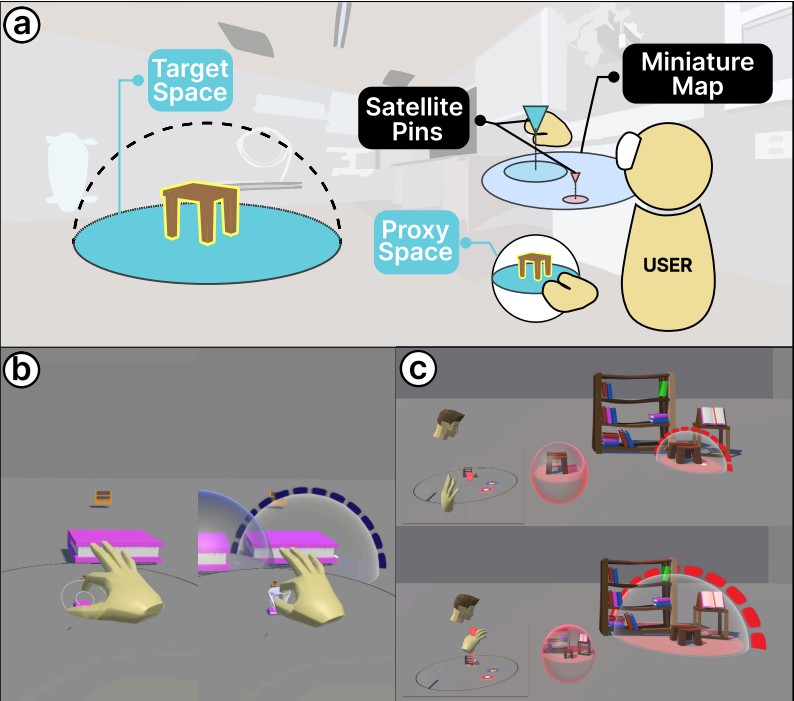
Interacting with distant objects in Virtual Reality can be challenging, but Portallite makes it effortless by allowing users to create 3D "portals", visual shortcuts that bring faraway locations right to their fingertips. By manipulating satellite icons over a miniature 3D map with their hands, users can intuitively control exactly where a portal appears and how large it should be. This approach combines natural hand movements with visual feedback, making the process feel fluid and easy to master. Our research demonstrates that Portallite is faster, more accurate, and significantly reduces mental effort compared to traditional VR interaction methods, providing a more comfortable and efficient way to navigate virtual environments.
PDF URL Github
2025. IEEE Access (IF=3.4)
Volume 13 (02 May 2025). IEEE
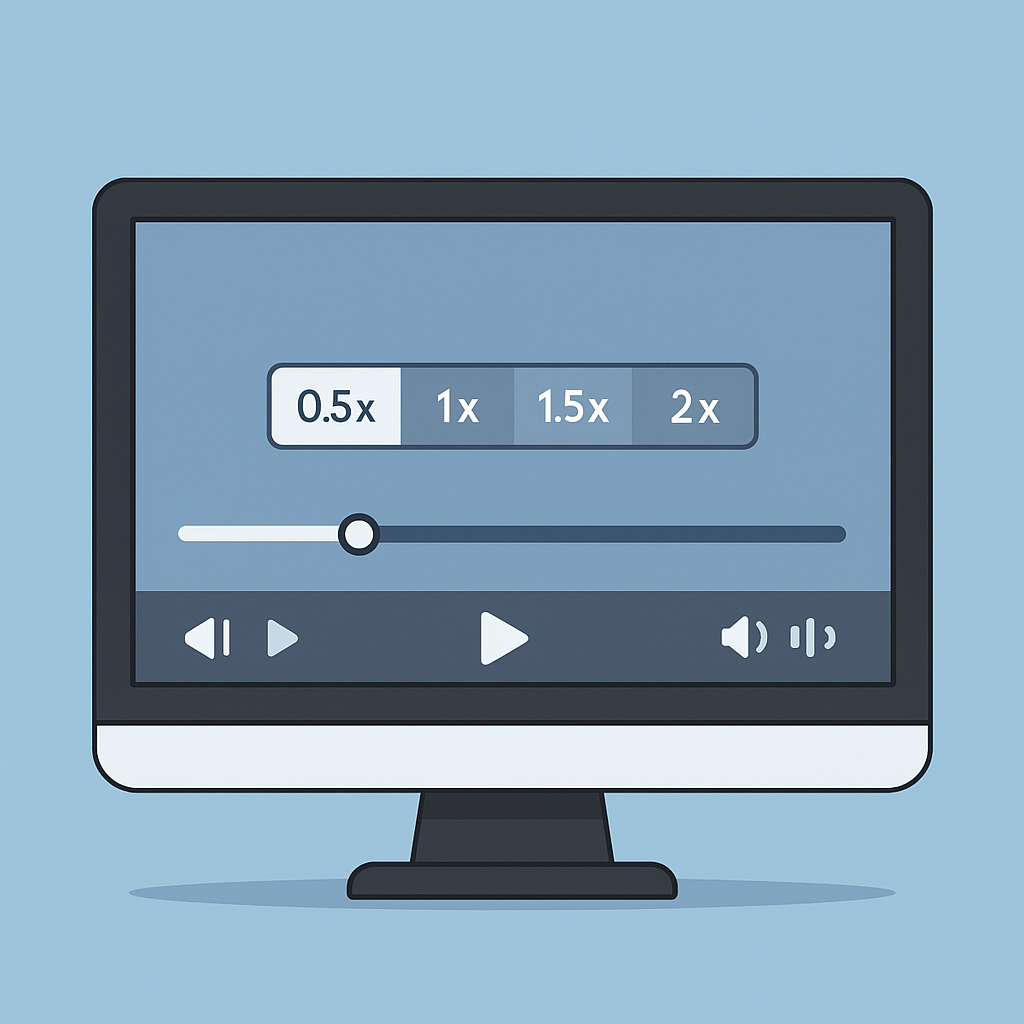
When using online video platforms like YouTube and Netflix, users often adjust playback speed, skip forward, or rewind. In this study, we developed a mobile app to collect real-world viewing logs and satisfaction responses and conducted a field study with 25 participants. Our findings reveal that specific playback behaviors, such as scrubbing and backward skipping, are closely associated with user engagement patterns. Importantly, we show that video abandonment does not always signal dissatisfaction. These insights provide valuable guidance for designing smarter recommendation algorithms and improving user experiences in online video streaming services.
 (*Image generated by ChatGPT)
PDF URL
2025. MDPI Applied Sciences (IF=2.5)
Volume 15, Issue 9, Article No. 4723 (24 April 2025). MDPI
As online fan communities continue to thrive, understanding how fans interact with artists and each other has become more important than ever, influencing both the vibrancy of the community and long-term engagement. In this study, we analyzed large-scale user data from Weverse, a global fandom platform, by applying k-means clustering and linguistic analysis to users' posting and commenting behaviors. Our analysis identified two distinct types of superfans: post-heavy users, who tend to post organized, goal-driven messages, and comment-heavy users, who engage more emotionally through casual language and frequent emoji use. These findings highlight opportunities for fan platforms to design features that better support diverse engagement styles and foster stronger community connections.
 (*Image generated by ChatGPT)
PDF URL Github
2025. MDPI Sensors (IF=3.4)
Volume 25, Issue 7, Article No. 2093 (27 March 2025). MDPI
In online video streaming services such as YouTube, viewers occasionally encounter violent scenes featuring graphic blood. Completely removing these scenes would eliminate important contextual elements necessary for understanding the video, yet leaving them unchanged can make the viewing experience uncomfortable. In this study, we developed an AI model that selectively applies a blurring effect only to the blood, allowing users to watch the content more comfortably while still preserving its context. We compared viewers’ eye responses (specifically, whether blurring the blood affects blink rate or the extent of eye opening) under conditions with and without the model. This research represents a step forward in enhancing the overall viewing experience.

PDF URL Github
2025. IEEE Access (IF=3.4)
Volume 13 (06 March 2025). IEEE
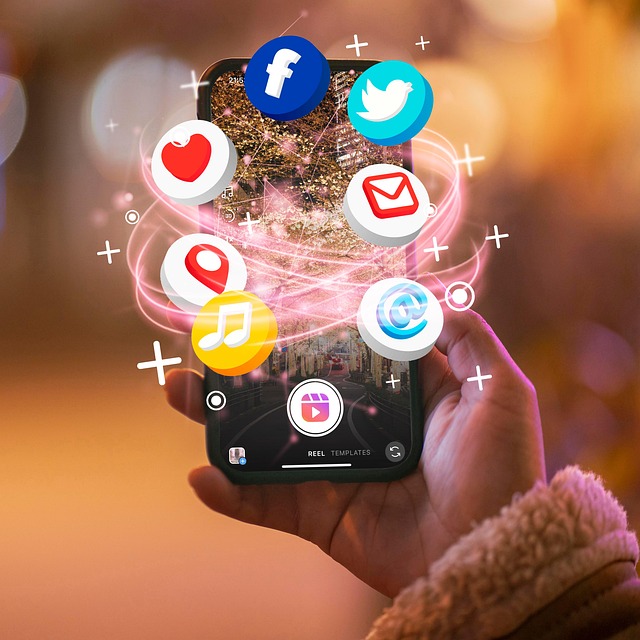
How many smartphone notifications do you receive in a day? Smartphone notifications can be overwhelming, disrupting work and causing fatigue. While some solutions use sensors or context to reduce interruptions, they often overlook what people personally need. We built a system with three modes—Immediate, While in Use, and On Demand—so you decide when and how to get notifications. In our two-week field study with 26 participants, it reduced notification volume, cut down on habitual phone-checking, and kept overall usage steady. Participants also reported lower addiction and fatigue, showing how customizing notifications helps you stay connected without feeling bombarded.
PDF URL
2025. Proceedings of HCI KOREA 2025 학술대회 발표 논문집
Pages 24 - 30 (February 2025). 한국HCI학회
스마트폰이 대중화되면서, 사람들은 메시지, 일정 알림, 업데이트 요청 등 하루에도 수많은 모바일 알림을 받고 있다. 하지만 무분별한 알림은 사용자에게 방해가 되고, 산만함과 스트레스를 유발할 수 있다. 사용자의 방해를 줄이면서 유용한 알림을 제공하기 위한 다양한 연구가 수행되고 있지만, 기존의 알림 분류 및 알림 전달 시스템은 개인의 성향과 맥락을 충분히 반영하지 못한다는 한계가 있다. 본 연구에서는 앱 별로 적절한 시점에 사용자가 알림을 수신할 수 있도록, 사용자가 앱 별로 알림 ‘즉시 받기’, ‘사용 중 받기’, ‘요청 시 받기’ 모드를 설정할 수 있는 모바일 앱을 개발했다. 8명의 사용자 조사를 통해 사용자가 어떤 앱을 왜 특정 알림 수신 모드에 설정하는지 탐색하고, 데이터 분석을 통해 그 효과를 확인했다. 이를 통해, 본 연구는 알림 수신 모드의 개인화와 그 필요성을 제시하고 사용자 중심의 알림 관리 시스템 디자인에 적용할 수 있는 디자인 고려 사항을 제안한다.
PDF URL
2021. Proceedings of the SIGCHI Conference on Human Factors in Computing Systems (CHI ’21)
Article No. 702, Pages 1 - 17
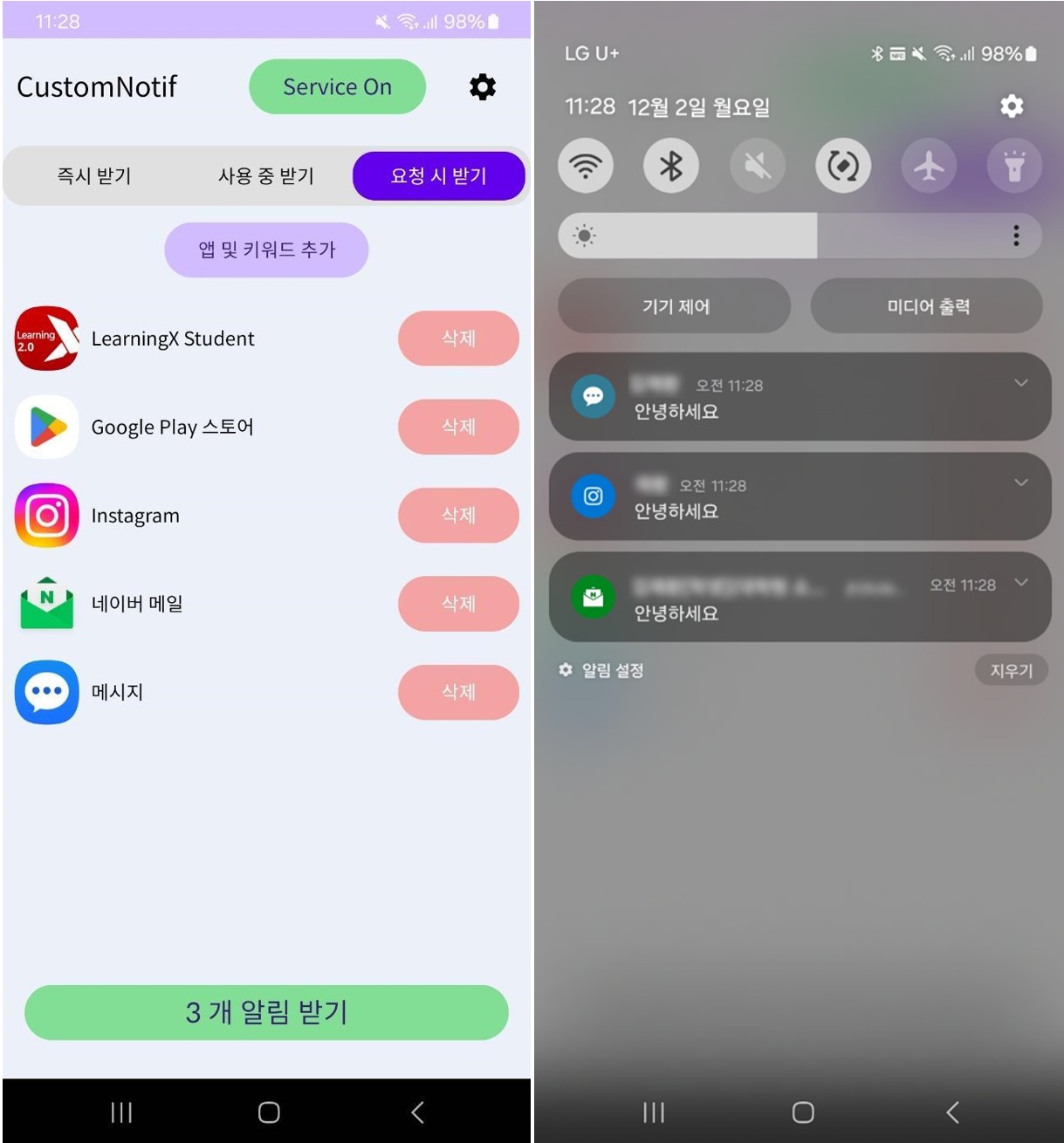
User-driven intervention tools such as self-tracking help users to self-regulate problematic smartphone usage. This paper proposes GoldenTime, a mobile app that promotes self-regulated usage behavior via system-driven proactive timeboxing and micro-financial incentives framed as gain or loss for behavioral reinforcement. We conducted a large-scale user study (n = 210) to explore how our proactive timeboxing and micro-financial incentives influence users’ smartphone usage behaviors.

PDF URL
2020. IEEE Access
Volume 8 (June 2020). IEEE
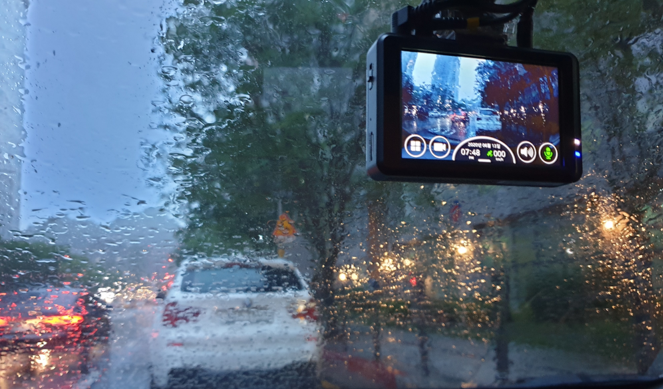
Vehicle dashboard cameras or dashcams, among other smart vehicle technologies, are increasingly attracting interest across the globe. Furthermore, dashcam videos as objective witnesses are often shared to resolve various traffic incidents. In this work, we aim to understand cross-national differences in motives and privacy concerns of dashcam video-sharing, which are closely related to the factors that vary across countries, such as cultural values, traffic regulation, driving environments, and privacy perception.

PDF URL
2018. Journal Proceedings of the ACM on Human-Computer Interaction (PACMHCI)
Volume 2, Issue CSCW, Article No. 134 (November 2018). ACM
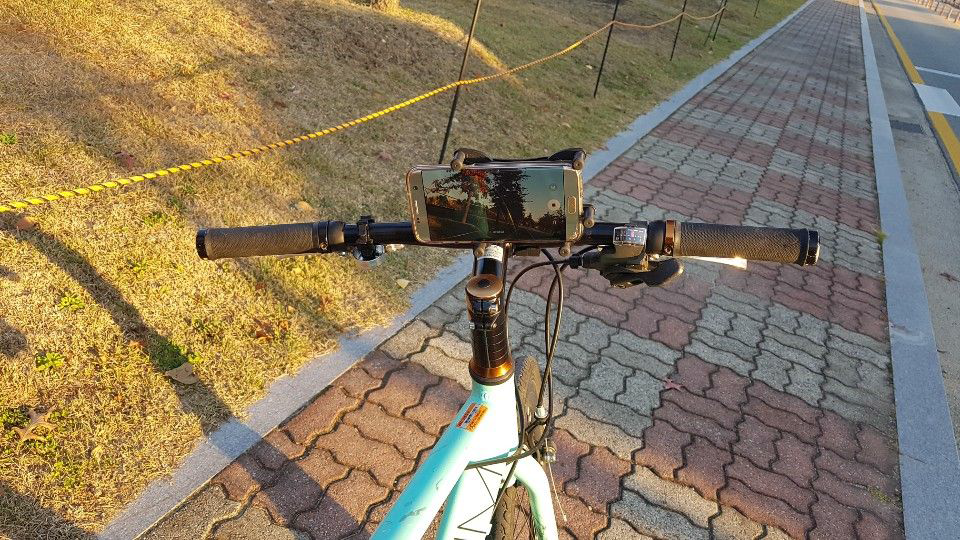
What do you think of community safety? In this study, we designed a community-sourced patrolling campaign in which community members would schedule their patrol times and routes, perform bike-based patrolling with video capturing and share the information using their smartphones. We conducted a four-week field study (n=20) on a university campus to verify the campaign's feasibility and observe users' behavior. The results show key findings about users’ task scheduling, event capturing and reporting behaviors, factors affecting task selection and execution, and user motivation and engagement.
PDF URL
2018. Journal Proceedings of the ACM on Human-Computer Interaction (PACMHCI)
Volume 2, Issue CSCW, Article No. 30 (November 2018). ACM
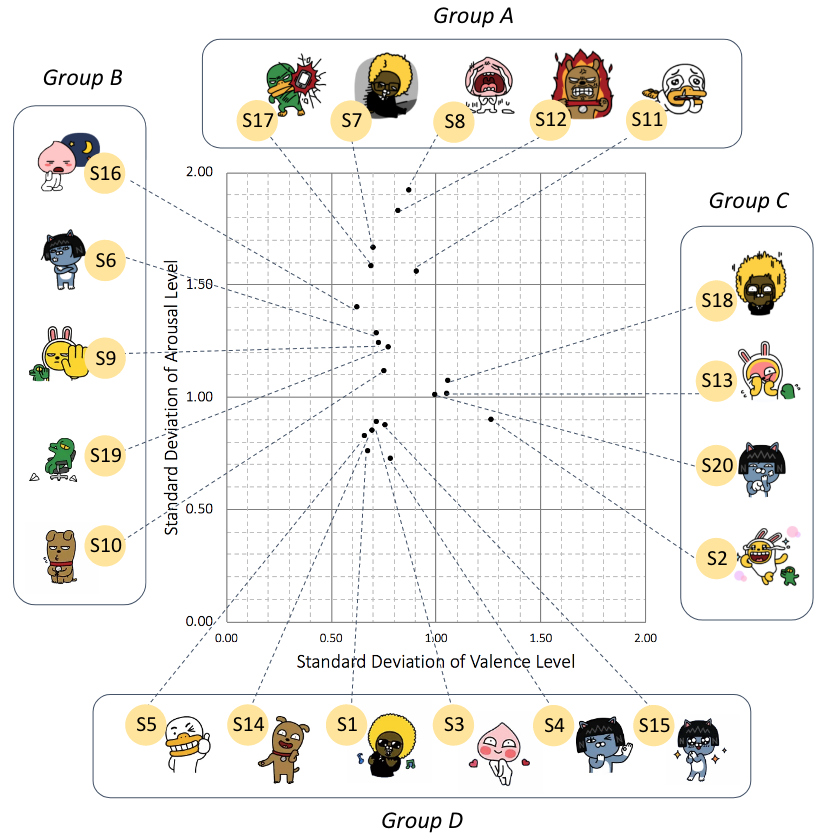
On computer-mediated communication, stickers or GIFs, though similar in appearance to emoji, have distinct characteristics because they often contain animation, various gestures, and multiple characters and objects. Their complexity and placement constraint may result in miscommunication. In this study, we aim to understand how people perceive emotion in stickers, as well as how miscommunication related to sticker occurs in actual chat contexts via online survey and interview.
PDF URL
2018. ACM Transactions on the Web (TWEB)
Volume 12, Issue 3, Article No. 16 (July 2018)
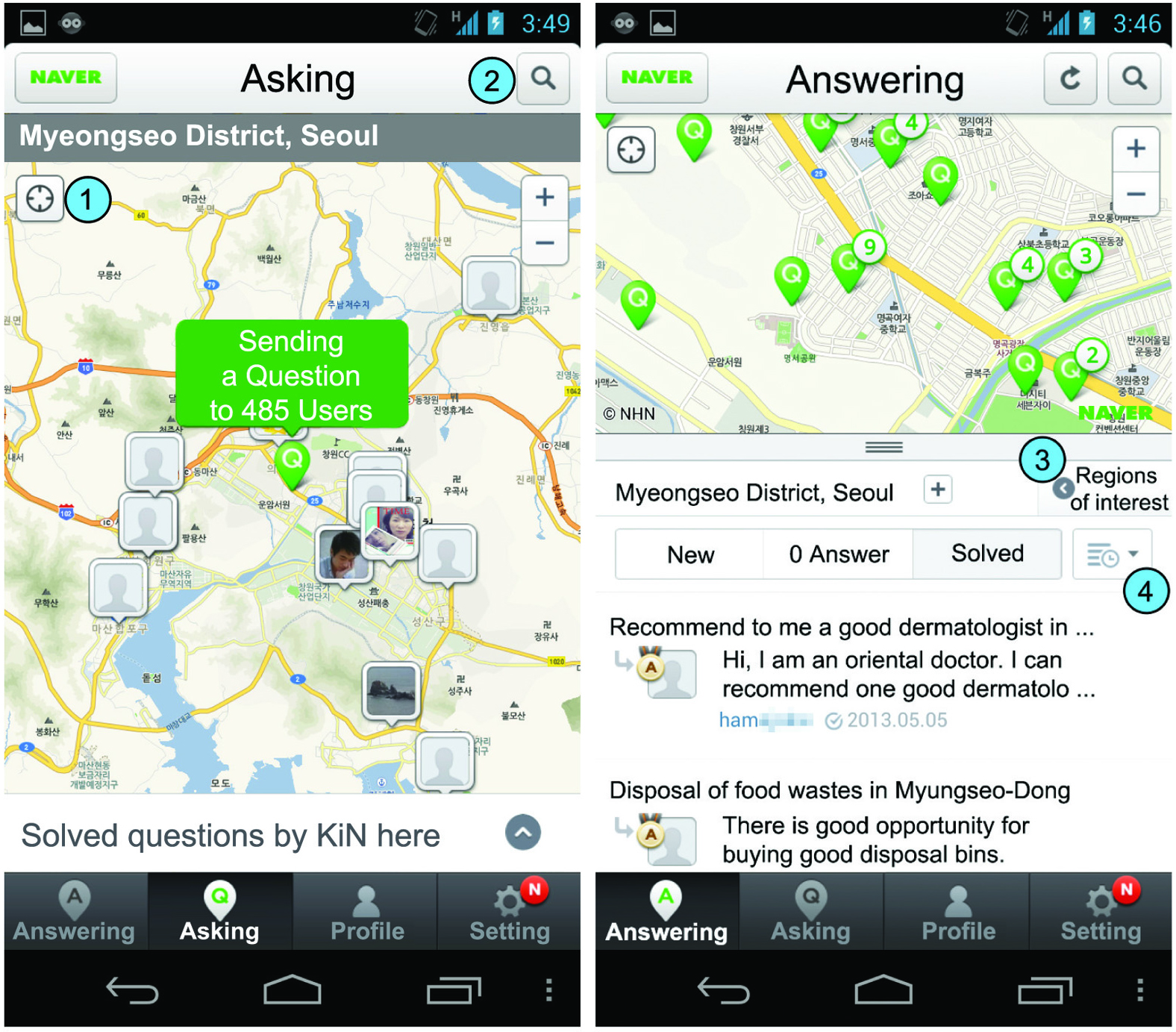
In location-based social Q&A services, people ask a question with a high expectation that local residents who have local knowledge will answer the question. Besides, questions are classified by regions rather than topics, unlike existing topic-based Q&A services. We analyzed a 12-month period Q&A dataset from Naver KiN "Here," a popular location-based social Q&A mobile app in South Korea, in addition to a supplementary survey dataset obtained from 285 mobile users.
PDF URL VIDEO
2017. Proceedings of the SIGCHI Conference on Human Factors in Computing Systems (CHI ’17)
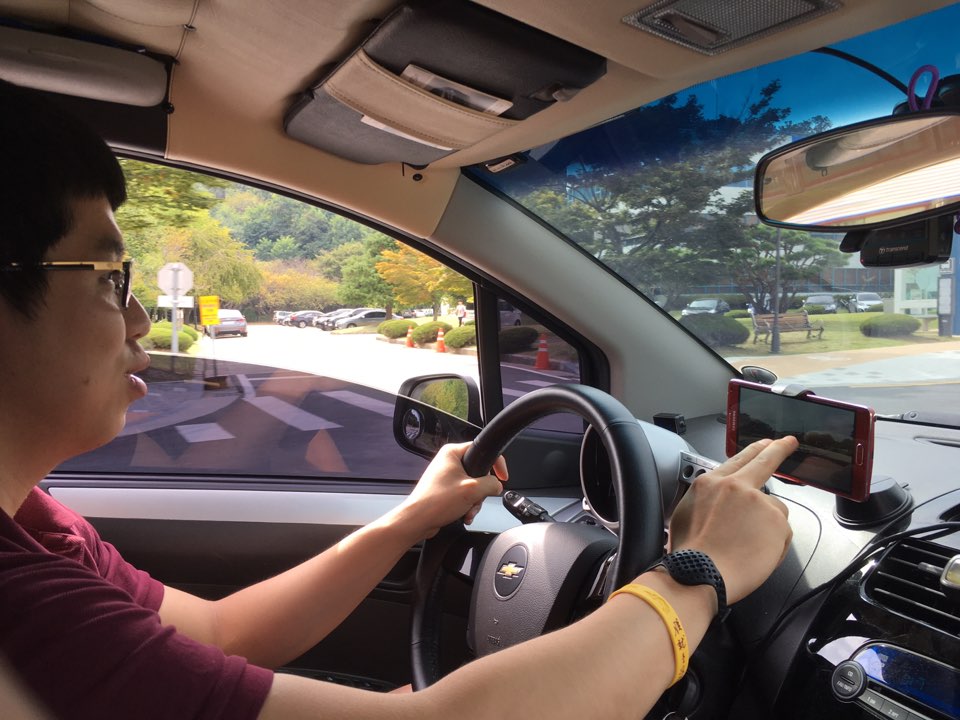
We often see various traffic violations on the road while driving. In this study, we consider community policing on the road with pervasive recording technologies. We developed a mobile app so that drivers can easily capture and report various threats to traffic safety to the police via mobile apps. Our two-week user study showed that the mobile app effectively supported community policing activities on the road.
PDF URL
2017. Proceedings of the 2017 CHI Conference Extended Abstracts on Human Factors in Computing Systems
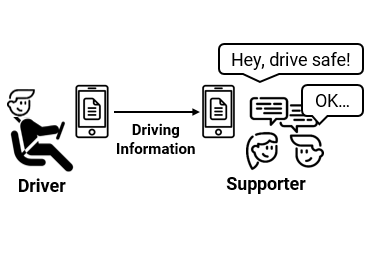
What if your parent knows your bad driving habits? Bad driving behaviors are a major cause of traffic accidents, many of them resulting in fatalities. Our study intends to encourage safe driving habits by increasing drivers' self-awareness about their driving habits, as well as receiving supportive feedback on their driving behavior from a loved one as an intervention method. We built an Android prototype app to deliver feedback for bad driving maneuvers to both drivers themselves and to their corresponding supporters and conducted a field study evaluation.
PDF URL VIDEO
2016. Proceedings of the SIGCHI Conference on Human Factors in Computing Systems (CHI ’16)
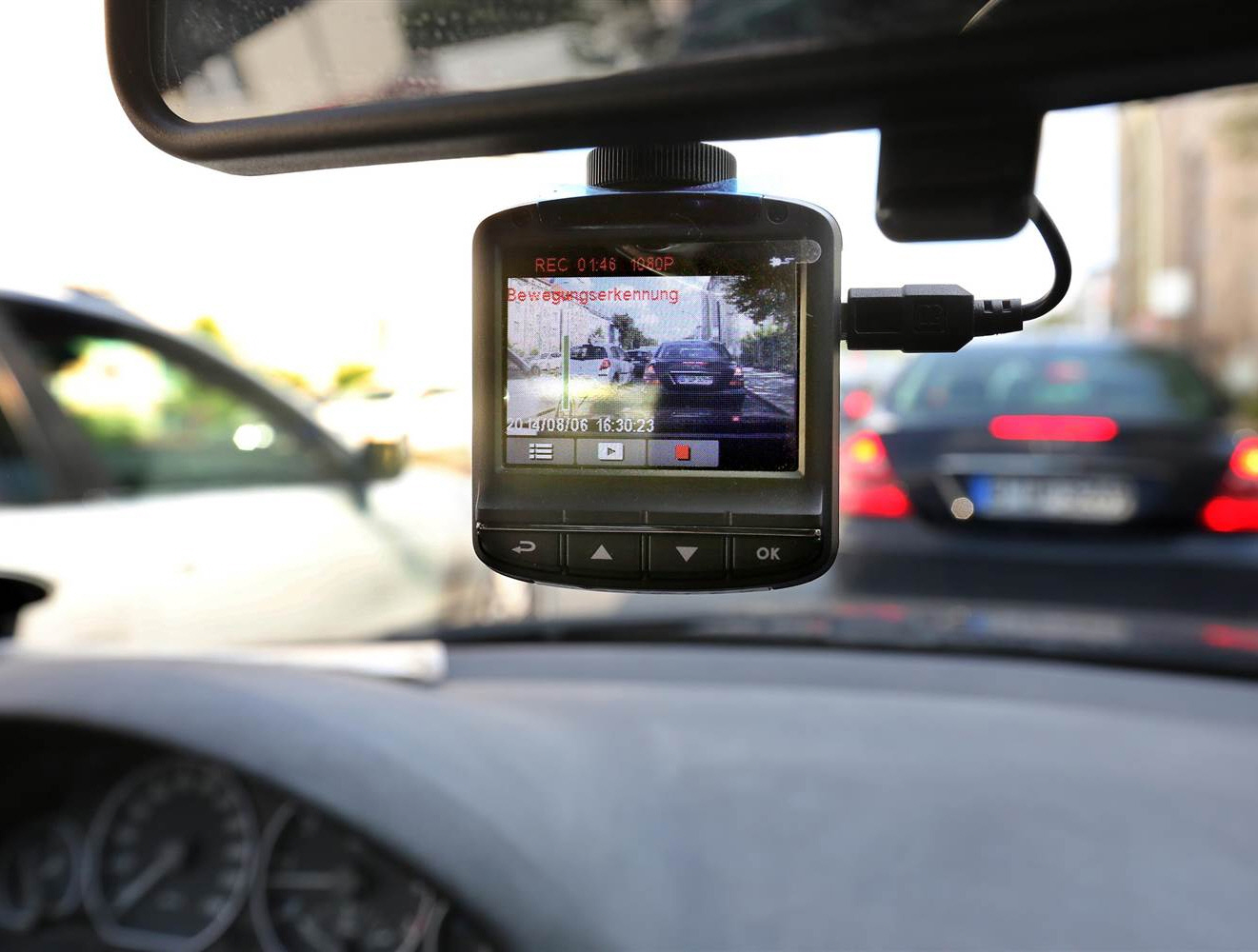
Dashcams support the continuous recording of external views that provide evidence in case of unexpected traffic-related accidents and incidents. Recently, the sharing of dashcam videos has gained significant traction for accident investigation and entertainment purposes. Furthermore, there is a growing awareness that dashcam video sharing will significantly extend urban surveillance. Our work aims to identify the major motives and concerns behind the sharing of dashcam videos for urban surveillance.
PDF DOI POSTER
2016. Proceedings of the 2016 CHI Conference Extended Abstracts on Human Factors in Computing Systems
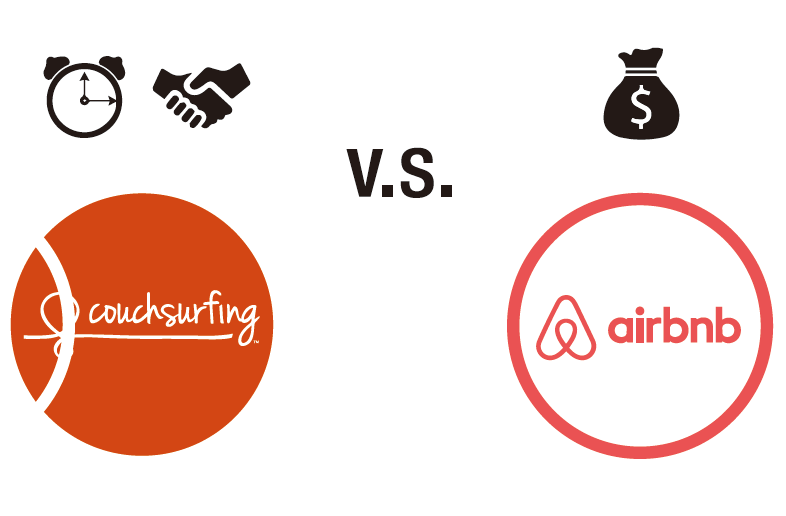
Uber and Airbnb, two well-known sharing economy services, are facing conflicts with traditional taxi and hotel companies because these services have monetary benefits but are free from legacy regulations. However, non-monetary-based sharing services, represented by Couchsurfing, Inc., are free from such conflict and still successful. We investigated the distinctive user participation motivation of non-monetary-based sharing services versus monetary-based ones.
PDF DOI POSTER VIDEO
2016. Proceedings of the 2016 CHI Conference Extended Abstracts on Human Factors in Computing Systems
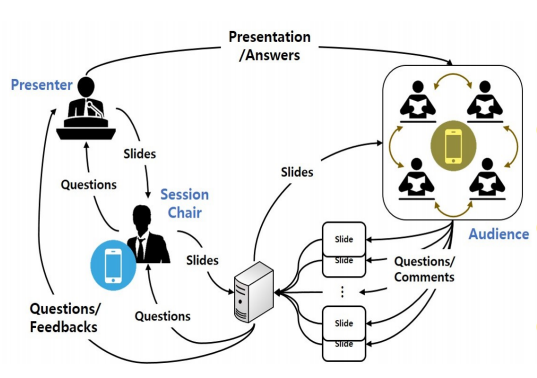
Our goal was to design a tool that can facilitate Q&A activities in offline presentations. We first identified several problems associated with current offline Q&A practices. We then developed SlideQA, an online slide-based Q&A tool, and explored its usability.
PDF URL
2014. Proceedings of the ACM International Conference on Human-computer Interaction with Mobile Devices & Services (MobileHCI '14)
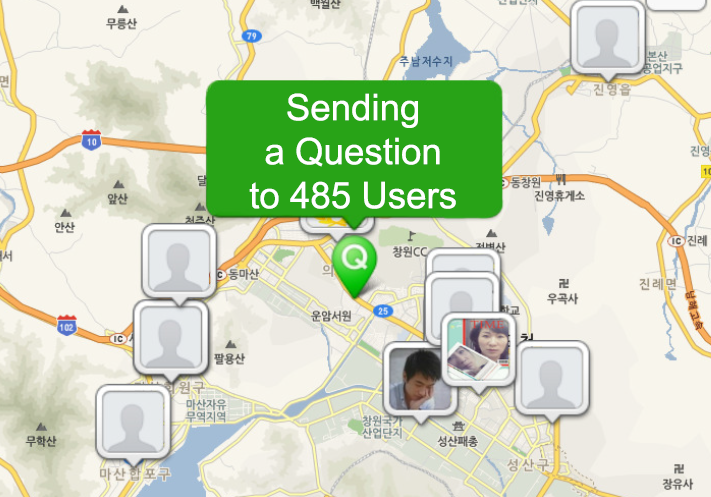
In location-based social Q&A, the questions related to a local community (e.g., local services and places) are typically answered by local residents. We wanted to deepen our understanding of the localness of knowledge sharing through investigating the topical and typological patterns related to the geographic characteristics, geographic locality of user activities, and motivations of local knowledge sharing. To this end, we analyzed a 12-month period Q&A dataset from Naver KiN "Here" and a supplementary survey dataset from 285 mobile users.
PDF URL
HCI Korea 2016 (Extended Abstract)
Dashcams support the continuous recording of external views and help drivers to guard against unexpected accidents and incidents. Recently, sharing dashcam videos has gained significant traction for accident investigation. However, current sharing requests are being made in aninefficient way through online communities. By analyzing 52 sharing request postings from past three years in the existing online community site, we extracted main factors for service implementation, then designed an on campus dashcam video sharing system.
PDF URL
HCI Korea 2015 (Extended Abstract)
To analyze compus research Q&A behavior of graduate students, we conducted focus group interviews with graduate student of KAIST in Korea. We analyzed the interview data with a grounded theory approach and organized the results by using a framework inspired by activity theory. The result indicated that campus research Q&A behavior of graduate students has theree main themes: 1) the absence of campus research community and the difficulty of Topic expert search, 2) the closed lab culture and the burden for personal question, 3) the dispersed knowledge problem and the absence of collaboratoin. We interpreted three main themes as Korean culture and suggested design guidelines: 1) Campus comprehensive search, 2) Offering detail information of labs/researchers, 3) Supporting online interest group.
PDF URL
Korea Computer Congress 2014
To analyze compus research Q&A behavior of graduate students, we conducted focus group interviews with graduate student of KAIST in Korea. We analyzed the interview data with a grounded theory approach and organized the results by using a framework inspired by activity theory. The result indicated that campus research Q&A behavior of graduate students has theree main themes: 1) the absence of campus research community and the difficulty of Topic expert search, 2) the closed lab culture and the burden for personal question, 3) the dispersed knowledge problem and the absence of collaboratoin. We interpreted three main themes as Korean culture and suggested design guidelines: 1) Campus comprehensive search, 2) Offering detail information of labs/researchers, 3) Supporting online interest group.